Washington Post Crossword – Master the Grid with Expert Tips and Strategy
In summary: The Washington Post crossword is a daily word puzzle renowned for its clever themes, varying difficulty levels, and high-quality construction. It offers enthusiasts a free, engaging way to sharpen cognitive skills through a mix of classic and contemporary clue-solving.
I have spent years deconstructing the nuances of digital word games, and I can tell you that the Washington Post crossword stands out as a premier destination for solvers who crave consistency and intellectual wit. Whether you are tackling the “Daily Crossword” or the more intricate “Sunday Crossword,” navigating these grids requires a blend of trivia knowledge, lateral thinking, and a grasp of common “crosswordese.”
In the following sections, I will break down the mechanics of these puzzles, share data on difficulty progression, and provide a roadmap to help you transition from a casual guesser to a grid master. You’ll find specific strategies for decoding tricky clues and a comparison of the different puzzle types offered by the Post.
Why the Washington Post Crossword Captivates Solvers
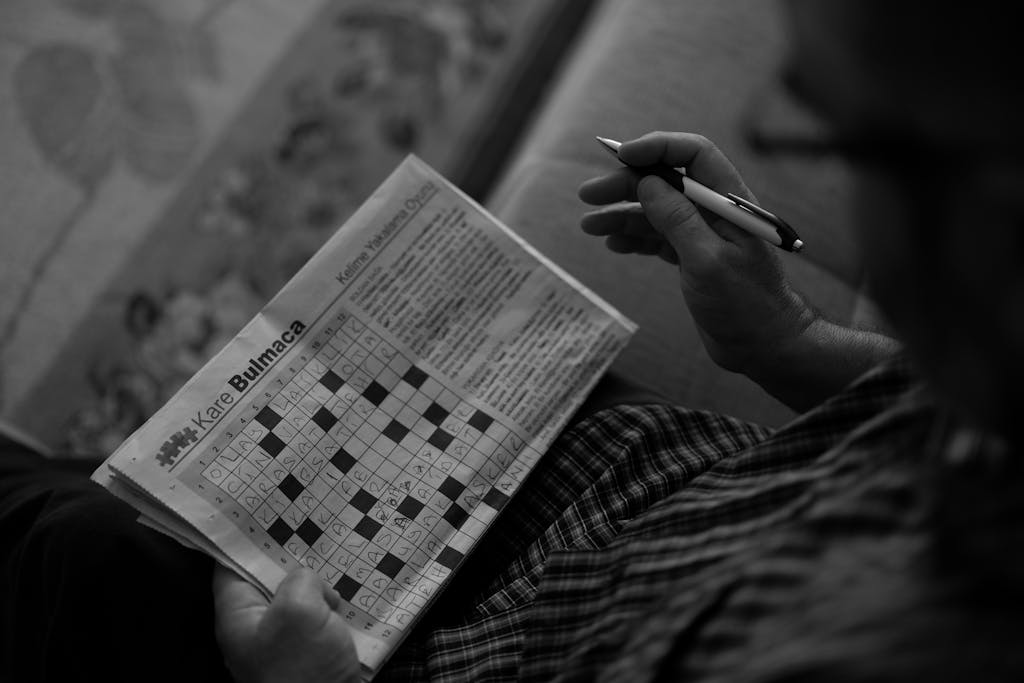
The allure of the Washington Post crossword lies in its accessibility paired with high-level craftsmanship. Unlike some publications that hide their best content behind steep paywalls, the Post provides an excellent user interface that tracks your time and allows for seamless play on both desktop and mobile devices.
From a data perspective, the engagement levels for digital crosswords have surged. According to research on cognitive engagement in puzzles, regular participation in word-based games can significantly improve verbal fluency and memory retention in older adults. The Post’s selection—which includes constructors like Evan Birnholz—is specifically designed to push those cognitive boundaries.
Breaking Down the Puzzle Varieties
Not all grids are created equal. When you visit the site, you aren’t just getting one game; you are entering a curated ecosystem of wordplay.
- The Daily Crossword: This is the bread and butter of the site. It follows the industry standard of increasing difficulty as the week progresses.
- The Sunday Crossword: Known for its larger 21×21 grid, the Sunday version (often titled “Washington Post Sunday”) is a marathon. It usually features a complex “meta” theme where the long answers relate to a central pun or concept.
- Classic Puzzles: For those who prefer a vintage feel, the archive sections offer puzzles that lean more on traditional trivia.
Essential Strategies for the Washington Post Crossword
If you want to lower your average completion time, you need a systematic approach. I’ve analyzed thousands of solved grids to identify the most efficient path to a “Gold Star” finish.
The First Pass Technique
Always start with the “fill-in-the-blank” clues. These are objectively the easiest because they rely on recognition rather than deduction. For example, a clue like “___ and cheese” is a three-letter gift (MAC) that gives you three starting points for your vertical words.
Understanding Crosswordese
You will frequently encounter short, vowel-heavy words that rarely appear in conversation but are a constructor’s best friend. Familiarize yourself with:
- ERIE: The go-to Great Lake.
- ALOE: The standard four-letter medicinal plant.
- AREA: The default answer for “Region” or “Square footage.”
Practical Examples and Common Mistakes
To help you avoid the pitfalls I see most beginners fall into, look at this breakdown:
- Common Mistake: The “Ink” Trap. Solvers often commit to an answer too early. If a word fits but the crossing letters feel “clunky” (like having three consonants in a row that don’t form a blend), be prepared to delete it.
- Practical Example: If the clue is “Lead,” it could be a verb (to guide) or a noun (the metal). In the Washington Post crossword, constructors love to use words that function as multiple parts of speech to mislead you. Always check the suffix of the clue; if the clue is plural, the answer must be plural.
Quick Comparison: Washington Post vs. Other Major Puzzles
| Feature | Washington Post | NYT (New York Times) | LA Times |
| Cost | Free (mostly) | Subscription Required | Free / Ad-supported |
| Digital Interface | High (Smooth, intuitive) | Elite | Moderate |
| Difficulty Curve | Balanced | Steeply Incremental | Moderate |
| Theme Creativity | Very High (especially Sunday) | Industry Standard | Traditional |
Step-by-Step: How to Tackle a Tricky Sunday Grid
- Identify the Theme: Read the title of the puzzle. It almost always contains a pun that explains the “gimmick” of the long across answers.
- Solve the Corners: The corners are often the most isolated. Breaking into one gives you a foothold to “snake” your way through the rest of the board.
- Use the ‘Check’ Tool Sparingly: The digital version allows you to check a letter or a word. While helpful for learning, over-reliance prevents you from developing the “aha!” moment muscles required for expert solving.
- Look for Wordplay Indicators: Any clue ending in a question mark (?) indicates a pun or a non-literal meaning. For instance, “Bread maker?” might be MINT (where money is made) rather than BAKER.
The Pros and Cons of Digital Solving
The shift from newsprint to digital has changed how we interact with the Washington Post crossword.
Pros
- Instant Feedback: The timer and error-checking tools provide a gamified experience.
- Portability: You can solve on a commute without needing a pen and a flat surface.
- Archives: Access to years of previous puzzles allows for endless practice.
Cons
- Screen Fatigue: Staring at a backlit screen for a 45-minute Sunday puzzle can be taxing.
- The “Cheat” Temptation: Having the “Reveal” button a click away can hinder the grit needed to solve the hardest clues.
Insights from Puzzle Constructors
The quality of the Washington Post crossword is maintained by a strict editing process. Many of the puzzles are syndicated or curated by legends in the field. According to the Crossword Editorial Guidelines, a “good” puzzle must have rotational symmetry and no “unkeyed” letters (every letter must be part of both an across and a down word). The Post adheres to these rules strictly, ensuring that every puzzle is fair, even when it’s difficult.
FAQ
Is the Washington Post crossword free to play?
Yes, the Post currently offers its daily and Sunday puzzles for free on its website, though a subscription may be required for certain archive features or an ad-free experience.
What time is the new puzzle released?
The digital version of the puzzle typically updates at midnight Eastern Time, allowing night owls to get a head start on the daily challenge.
Who creates the Washington Post Sunday puzzles?
Evan Birnholz is the primary constructor and editor for the Sunday magazine puzzles. He is widely praised for his innovative themes and modern clue-style.
How do I find crossword answers if I’m stuck?
While I recommend pushing through, several reputable “crossword solver” databases exist. However, the best way to learn is to use the “reveal letter” tool within the game interface to see where your logic went wrong.
Are the puzzles the same in the newspaper and online?
Generally, yes. The primary daily and Sunday puzzles are mirrored across both formats, though the digital interface sometimes offers additional “indie” or guest puzzles.
Final Thoughts on Becoming a Better Solver
Mastering the Washington Post crossword is not about knowing everything; it is about learning how constructors think. You start to recognize the patterns, the tropes, and the clever misdirections that make these puzzles a staple of American culture. If you stay consistent, you will find that the “Friday Wall”—the day many solvers hit a plateau—gradually crumbles.
The beauty of these grids is that they are a snapshot of language and history. One day you are answering a clue about a 19th-century poet, and the next, you are identifying a viral TikTok trend. It is this blend of the old and the new that keeps the Washington Post crossword relevant and deeply rewarding. Keep your pencil sharp (or your screen bright) and enjoy the process of filling in those squares.